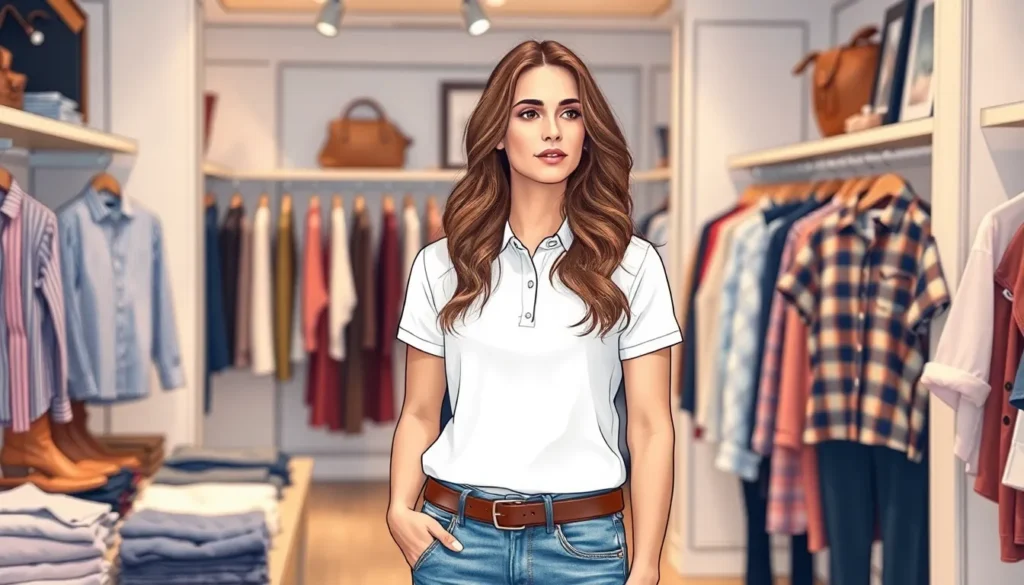
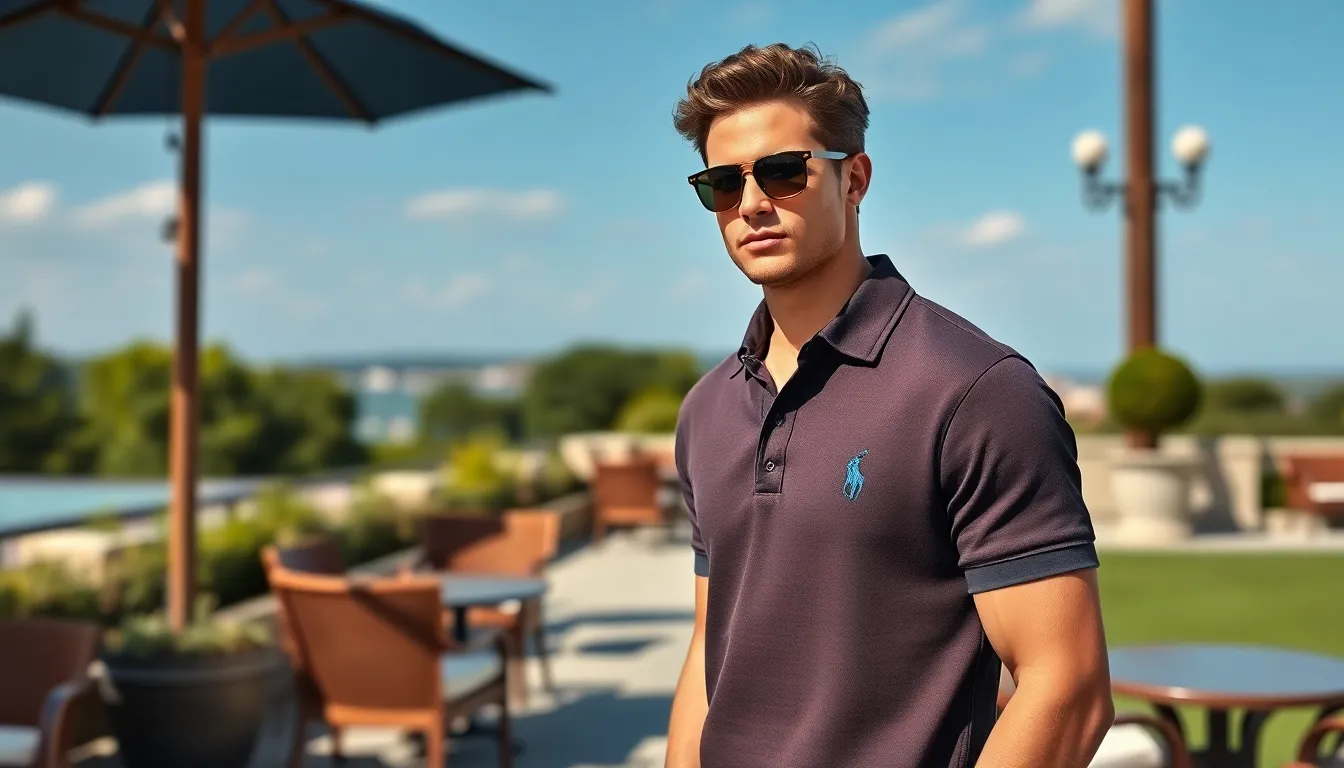
When you think of Ralph Lauren, images of preppy polo shirts and timeless elegance likely come to mind. But in a world obsessed with fast fashion, the question arises: is Ralph Lauren a part of that whirlwind trend? Fast fashion promises the latest styles at lightning speed, but does it sacrifice quality for quantity?
Is Ralph Lauren Fast Fashion
Fast fashion represents a retail model centered on rapidly producing trendy clothing at low costs. The primary objective involves quickly responding to consumer demands, delivering new styles within weeks instead of months. Often, brands rely on inexpensive materials and outsourced labor to maintain affordability.
Characteristics of fast fashion include high turnover rates of clothing collections. Retailers frequently release new items, encouraging customers to purchase more often. This approach creates a cycle of consumption focused on immediate gratification, driving sales at the expense of sustainability.
Environmental impacts also accompany the fast fashion model. The production and disposal of low-cost garments often contribute to significant waste and pollution. Statistics highlight that the fashion industry generates around 92 million tons of waste annually. Just as concerning, fast fashion’s reliance on synthetic materials leads to increased microplastic pollution in oceans.
Consumer behavior drives fast fashion’s dominance. Shoppers often prioritize the latest trends over quality, valuing cost and style above longevity and craftsmanship. Brands adopting this model thrive on consumer willingness to replace items seasonally rather than invest in timeless pieces.
Contrarily, the rise of sustainable fashion raises awareness regarding the negative effects of fast fashion. Eco-conscious consumers increasingly seek high-quality, ethically produced clothing. This shift in mindset challenges brands like Ralph Lauren to consider their production methods, style longevity, and overall impact on the environment.
Ralph Lauren embodies a more traditional approach to fashion, promoting classic designs and superior quality. While distinctly different from fast fashion, the brand faces pressures to adapt to contemporary trends. Understanding fast fashion sets the stage for evaluating Ralph Lauren’s position within the broader fashion landscape.
The Ralph Lauren Brand
Ralph Lauren represents a blend of sophistication and timeless style. The brand’s identity revolves around classic American fashion, reflecting a commitment to quality and design.
History and Evolution
Ralph Lauren launched in 1967 with a line of ties. The brand quickly expanded, introducing menswear, womenswear, and home goods. It pioneered the notion of lifestyle branding, creating an aspirational image associated with polo players and outdoor leisure. By the 1980s, Ralph Lauren established itself as a powerhouse in the fashion industry. Growth followed with the introduction of various lines, including Polo Ralph Lauren, Lauren by Ralph Lauren, and more. The brand also embraced global expansion, making it a staple in international markets. Each collection emphasizes elegance and craftsmanship, contrasting sharply with fast fashion’s rapid turnover.
Product Offerings
Ralph Lauren’s product range includes apparel, accessories, and home furnishings. Polo shirts serve as a signature piece, reflecting a casual yet sophisticated style. Additionally, the collection features tailored suits, elegant dresses, and activewear that combine functionality with aesthetic appeal. Accessories such as handbags, belts, and footwear complement the clothing offerings, embodying the brand’s commitment to a complete lifestyle. Home collections showcase bedding, dinnerware, and decorative items that align with its heritage of refined living. This diverse product mix reinforces Ralph Lauren’s dedication to quality over quick trends.
Analyzing Fast Fashion Criteria
Determining whether Ralph Lauren aligns with fast fashion involves examining key factors like production speed and pricing strategies. These elements help differentiate traditional brands from fast fashion retailers.
Production Speed
Fast fashion brands prioritize quick production cycles, launching new collections every few weeks. In contrast, Ralph Lauren focuses on quality and timeless designs, which leads to longer design and production timelines. Each item undergoes careful crafting, showcasing attention to detail and craftsmanship. This method contrasts sharply with the rapid turnover seen in fast fashion, where garments are quickly produced to meet fleeting trends and consumer demands. A commitment to quality results in fewer collections being released throughout the year, making Ralph Lauren’s approach distinctly different from the fast fashion model.
Pricing Strategies
Pricing strategies further highlight the disparity between Ralph Lauren and fast fashion retailers. Fast fashion brands offer low prices through high-volume production and inexpensive materials. In contrast, Ralph Lauren maintains higher price points, reflecting the brand’s dedication to quality and durability. Consumers pay a premium for the classic aesthetics and craftsmanship inherent in each piece. While affordable fashion lures budget-conscious shoppers, Ralph Lauren attracts customers seeking longevity and sophistication. This pricing difference emphasizes the brand’s values and reinforces its stance against the fast fashion model.
Is Ralph Lauren Fast Fashion?
Ralph Lauren embodies classic style often associated with timeless fashion. This raises the question of its alignment with the fast fashion trend.
Consumer Perception
Consumer perception plays a vital role in understanding Ralph Lauren’s identity. Many view the brand as a symbol of sophistication and quality rather than a purveyor of rapidly produced items. High-quality materials and craftsmanship resonate with individuals who seek durable clothing. While fast fashion attracts budget-conscious shoppers, Ralph Lauren attracts those willing to invest in longevity. Consequently, shoppers often perceive Ralph Lauren as a brand that prioritizes tradition over fleeting trends, fostering loyalty among its customer base.
Brand Positioning
Brand positioning differentiates Ralph Lauren from fast fashion competitors. The company emphasizes timeless design and quality, captivating consumers looking for classic pieces. Higher price points reflect the brand’s commitment to superior craftsmanship, setting it apart in the market. While fast fashion brands aim for quick turnover, Ralph Lauren focuses on creating lasting wardrobe staples. This strategy not only enhances the brand’s prestige but also aligns with shifting consumer preferences toward sustainability and ethical fashion. The positioning reinforces Ralph Lauren’s standing as a leader in the fashion industry.
Conclusion
Ralph Lauren stands apart from the fast fashion landscape by emphasizing quality and timeless design over rapid production cycles. Its commitment to craftsmanship and sophisticated style resonates with consumers who value durability and sustainability. As the fashion industry shifts toward eco-consciousness, Ralph Lauren’s approach aligns with the growing demand for ethically produced clothing. By focusing on classic pieces that withstand trends, the brand not only reinforces its identity but also champions a more sustainable future in fashion. This dedication to excellence solidifies Ralph Lauren’s position as a leader in the industry, appealing to those who prioritize quality over fleeting trends.