
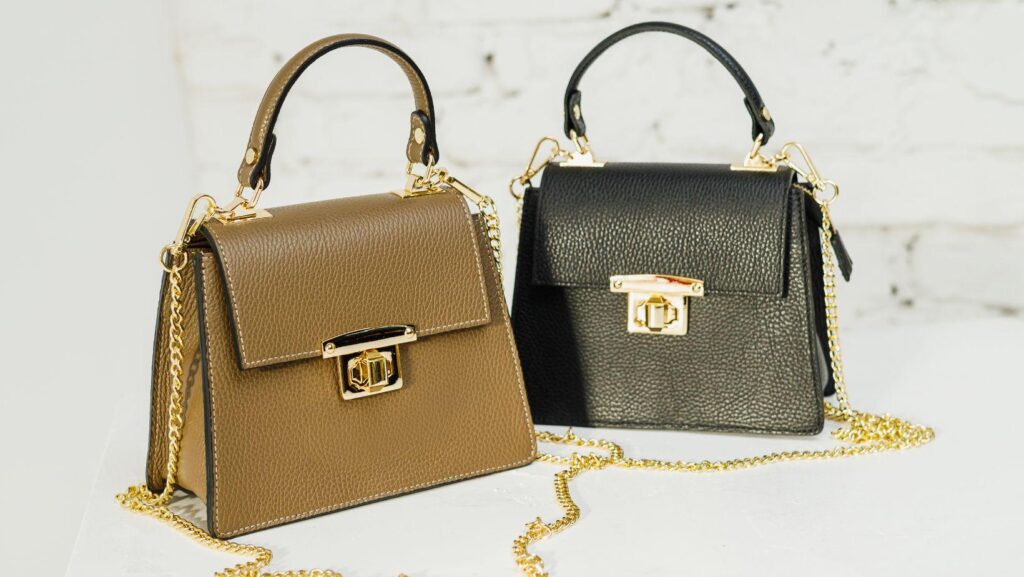
Investing in a designer handbag means investing in materials, craftsmanship, and detail that deserve to last for years, not months. Yet everyday use, the very thing that makes owning a beautiful bag worthwhile, is also what puts it most at risk. Protecting that investment requires a bit of intentional habit-building, without becoming so precious about the bag that it never actually gets used.
Understanding the material you're working with
Different leathers, fabrics, and hardware finishes have genuinely different care needs, and understanding what your specific bag is made from is the foundation of protecting it properly. Delicate suede requires different handling than structured leather, and gold-tone hardware needs different care than silver-tone, so it's worth taking the time to understand your bag's specific materials before assuming a generic care routine will suffice.
Avoid the floor whenever possible
One of the simplest, most effective habits for protecting a handbag is keeping it off the floor entirely, whether at a restaurant, in a public restroom, or in the car. Floors expose bags to dirt, moisture, and bacteria that can genuinely damage delicate materials over time, and something as simple as a well-designed purse hook makes avoiding this risk effortless rather than something requiring constant conscious effort.
Store bags properly, even between uses
How a bag is stored between uses matters more than most people realize. Stuffing a bag with tissue paper or a proper shaper helps it maintain its structure, while storing it in a dust bag protects it from dust, sunlight, and the risk of color transfer from other items nearby in a closet or drawer.
Rotate use to avoid excessive wear on any single piece
Wearing the same bag every single day accelerates wear considerably, on handles, corners, and hardware in particular. Rotating between several bags, even just two or three, distributes wear more evenly and extends the life of each individual piece, while also giving each bag time to rest and recover its shape between uses.
Be mindful of what goes inside
Overpacking a bag stresses seams and structure in ways that aren't always obvious until damage has already occurred. Sharp objects like keys or pens can scratch interior linings or even the exterior if the bag isn't structured to keep them contained, so using an interior pouch for smaller sharp items is a small habit that prevents avoidable damage.
Address spills and stains immediately
Leather and fabric handbags both respond far better to immediate attention than delayed cleaning. Blotting a spill gently the moment it happens, rather than letting it set, dramatically reduces the chance of permanent staining, and keeping a small, appropriate cleaning cloth on hand makes this kind of quick response much easier.
Protect hardware from unnecessary friction
Metal hardware, zippers, clasps, and decorative details, is often the first part of a bag to show visible wear. Being mindful of how a bag is set down, avoiding rough surfaces that can scratch hardware, and occasionally wiping metal pieces with a soft cloth helps preserve that polished look considerably longer.
Small habits compound into significant protection
None of these individual habits require dramatic effort, but together they meaningfully extend the life and appearance of a designer handbag. The goal isn't to treat a bag so preciously that it never gets used, but to build a few consistent, low-effort habits that let it be used confidently for years without accumulating unnecessary damage along the way.